

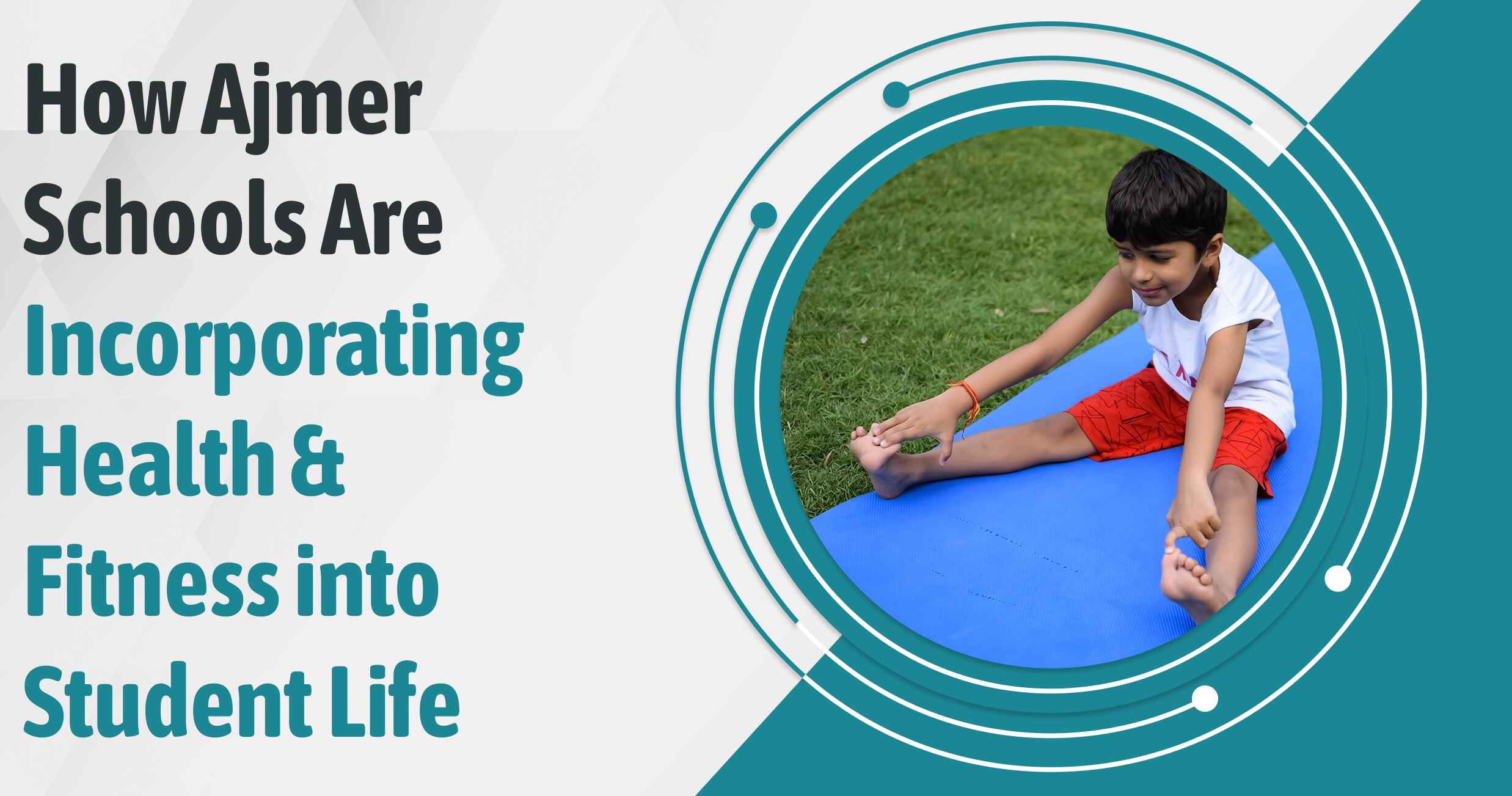
Children need a balanced school day that protects study time while supporting health. At Satguru International School, we share the same goal. This introduction sets a clear view of how campuses in our city are weaving movement, food literacy, rest, and calm focus into everyday learning. We describe practical routines, safe coaching, and small habits that families can sustain at home. Our commitment shows most clearly in how we organise school sports activities across the year.
Families want order. We schedule school sports activities across mornings and late afternoons so that energy peaks support attention. Short drills, calm cool-downs, and reflective note-taking help children connect effort with focus. In our internal logs, a twenty-minute active break cut off-task behaviour by about 30 percent over one term. Attendance on activity days rose by 6 percent, a quiet signal that movement builds routine rather than breaks it.
Parents often worry about lost academic minutes. The data we see points the other way. When physical education in schools reaches at least 150 minutes a week, reading fluency rises for many pupils who find concentration challenging. Teachers pair movement with simple breathwork to settle the mind. Late arrivals fell by 12 percent on days that begin with structured activity. These are modest gains, yet they matter, especially during assessment windows — insights frequently highlighted by the top 5 schools in Ajmer when discussing holistic student development.
Curriculum guidance encourages real-world application. Many CBSE schools in Ajmer now blend wellbeing with subject goals. Pupils check pulse after moderate runs in Mathematics, explore proteins and fibre in Science, and write reflection notes in English. Last session, 72 percent of our students joined at least one health club or game squad, up from 58 percent two years earlier. Friendly entry points and patient coaching helped hesitant learners take their first step.
Evenings can be crowded. We recommend fitness activities for students that use simple spaces and short windows of time. Helpful choices include rope skipping, stair climbs, sun salutations, balance walks on a chalk line, and courtyard agility ladders. For home routines, aim for five minutes after school and five before dinner. Small bursts settle restlessness and keep screens from taking the whole evening. Water first on waking and fruit in the tiffin box support the plan.
Our school sports activities offer rotating roles so that every child finds a place. Players, timekeepers, reporters, and equipment leads learn to listen and support. Soft balls, smaller courts, and gradual challenges protect confidence. Safety checks include warm-up scripts, shade and hydration stations, and simple heart-rate notes before and after effort.
Partnership stays practical. Many CBSE schools in Ajmer share tiffin guides, bedtime reminders, and simple language for praise at home. We suggest nine to eleven hours of sleep for middle years and a regular lights-out time. Families receive short monthly snapshots that highlight effort, recovery, and mood patterns. For extra structure, we map gentle fitness activities for students during festival periods so that routines survive holidays without pressure — an approach often referenced when parents compare wellbeing practices across the list of schools in Ajmer.
Consistency matters more than novelty. We phase school sports activities with the weather, build rest weeks after tournaments, and keep communication open with families. Clubs help momentum continue. Walk-and-talk mornings, yoga circles, cycling groups, and badminton pods allow children to choose a level that suits their confidence. Over time, pupils learn to read their own energy and say what helps. This self-knowledge is the quiet outcome we value.
Look for calm structure, varied roles, and respectful coaching. Check whether physical education in schools teaches warm-ups, hydration habits, and reflection, not only tactics. Ask about inclusive options for beginners and pathways for committed athletes. Rich vocabulary around student wellbeing, holistic education, mindfulness in classrooms, yoga for children, nutrition education, hydration habits, after-school clubs, and inter-house tournaments shows that the programme is alive in daily practice.
If you wish to discuss your child’s needs, write to our office and share what works at home. We will listen, plan carefully, and keep you informed.